Consistent AI Character Generator: Keeping AI Influencers On-Model Across Every Post
One-off consistency is easier than it used to be. The hidden tax is holding the whole identity, face, wardrobe, aesthetic, and voice, steady across hundreds of scheduled posts and replies, on every platform, for months. This guide covers what consistency at operational scale actually takes.
The character drift problem
Generating one on-model image is far easier than it used to be, modern image models get a recognizable face in a render or two. But a consistent AI character generator has to do more than win a single render: the real problem is holding that identity steady across hundreds of posts, multiple platforms, and every aspect ratio, for months of an ongoing operation. That downstream problem is the one most tools still can't solve.
Most AI influencer projects die in week three. Not because any single image is bad, but because someone looks at the third post and says "wait, is that the same person?" Drift, of face, wardrobe, and voice, across hundreds of posts, replies, and platforms over months is the single biggest reason AI personas fail to build trust with audiences. That's an operations problem, not a generation one.
Drift happens because generative models are not designed to produce identical subjects, they're designed to produce plausible ones. Feed the same detailed prompt twice, and you get two visually similar but subtly different people. A different cheekbone angle, a slightly different eye color, a shifted chin shape. Good enough for a single magazine cover. Fatal for a social media persona that needs to be recognizable across thousands of posts.
Why most AI tools can't keep a character consistent
Three technical reasons:
- Text prompts don't encode identity. Even a 200-word prompt describing eye color, face shape, hair texture, and jawline is not enough information to pin a specific face. The model has to fill in the details, and it fills them in slightly differently every run.
- Sampling randomness. Diffusion generation starts from random noise. Two runs with the same seed produce the same output; two runs with different seeds produce different outputs. For social content, you need variety in pose and setting, which means different seeds, which means drift.
- Training data bias. The model's "default" face for any prompt regresses toward whatever is most common in its training data. Your specific persona isn't in the training data, so every generation pulls slightly toward the training-data mean.
All three problems are solvable, but only with techniques that go beyond text prompting.
The four techniques that actually work
1. Reference-image identity locking
Feed the model up to 5 well-chosen reference photos of your character. The photos condition every generation on the same identity: the model is told, in effect, "generate this person", not "generate a person like this description." Result: the face stays locked across runs even as pose, expression, and setting vary.
This is the single biggest unlock. Any AI influencer pipeline without reference- image conditioning is fighting a losing battle.
2. Seed consistency
Diffusion generation starts from a random seed, and the seed shapes the render. Pinning and reusing a character's seed alongside the reference photos keeps the renders anchored to the same identity instead of re-rolling it, while pose, outfit, and setting still vary per prompt. AutoPersonas manages seeds per character automatically, no fine-tuning or LoRA training runs involved.
3. Wardrobe DNA
Once the face is locked, the next drift happens in clothing and accessories. A "black blazer" means one thing to the model on Monday and a slightly different cut on Tuesday. Define wardrobe DNA, specific colors, silhouettes, fabrics, recurring accessory items, and reference them by name in every prompt. AutoPersonas stores these as structured attributes that get injected automatically.
4. Post-generation QA
Even with the first three techniques, a small fraction of generations will still drift outside acceptable range. This is what the moderation queue is for: every generation lands there before publishing, so an off-model render gets rejected and re-generated instead of reaching your feed. The queue is the consistency safety net, it adds a few cents per post in rejected compute and catches the remaining drift.
Manual prompt engineering vs. purpose-built tools
You can, in theory, implement all four techniques yourself by stitching together ComfyUI workflows, IP-Adapter nodes, custom LoRA training, and a face-similarity QA script. Many early AI influencer operators did exactly this.
The problem: the stack breaks constantly. Model updates change embeddings. LoRAs need retraining. QA thresholds drift. At one persona, this is a hobby. At five personas, it's a full-time job. At twenty personas (agency scale), it's impossible without an AI influencer platform.
AutoPersonas consolidates the consistency tooling you'd otherwise stitch together. You upload reference photos, define a wardrobe and environment DNA, pick a visual style, and every generation runs on that locked-in identity before entering your review queue.
Building your character's visual identity
Best practices for the reference-photo phase:
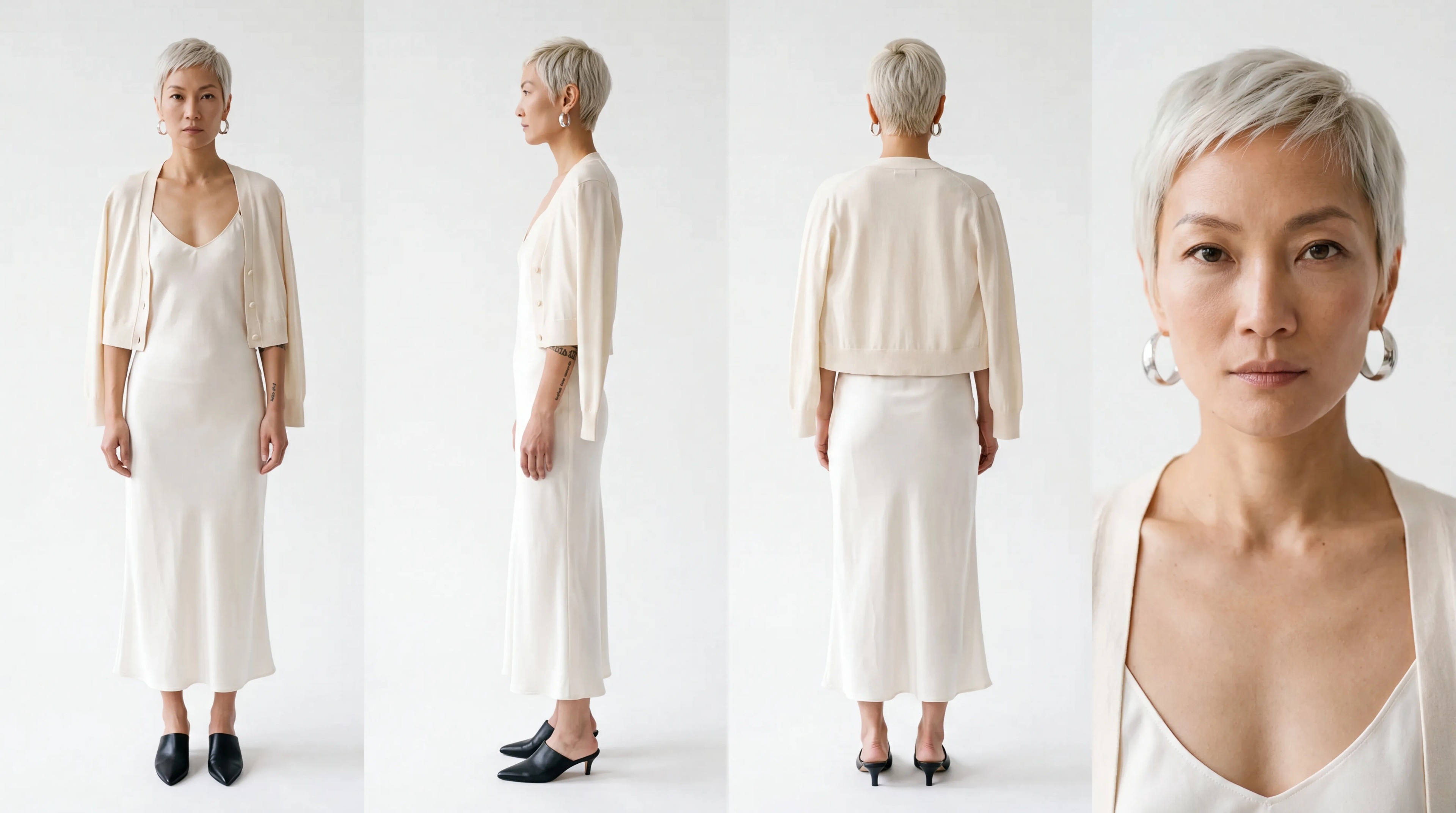
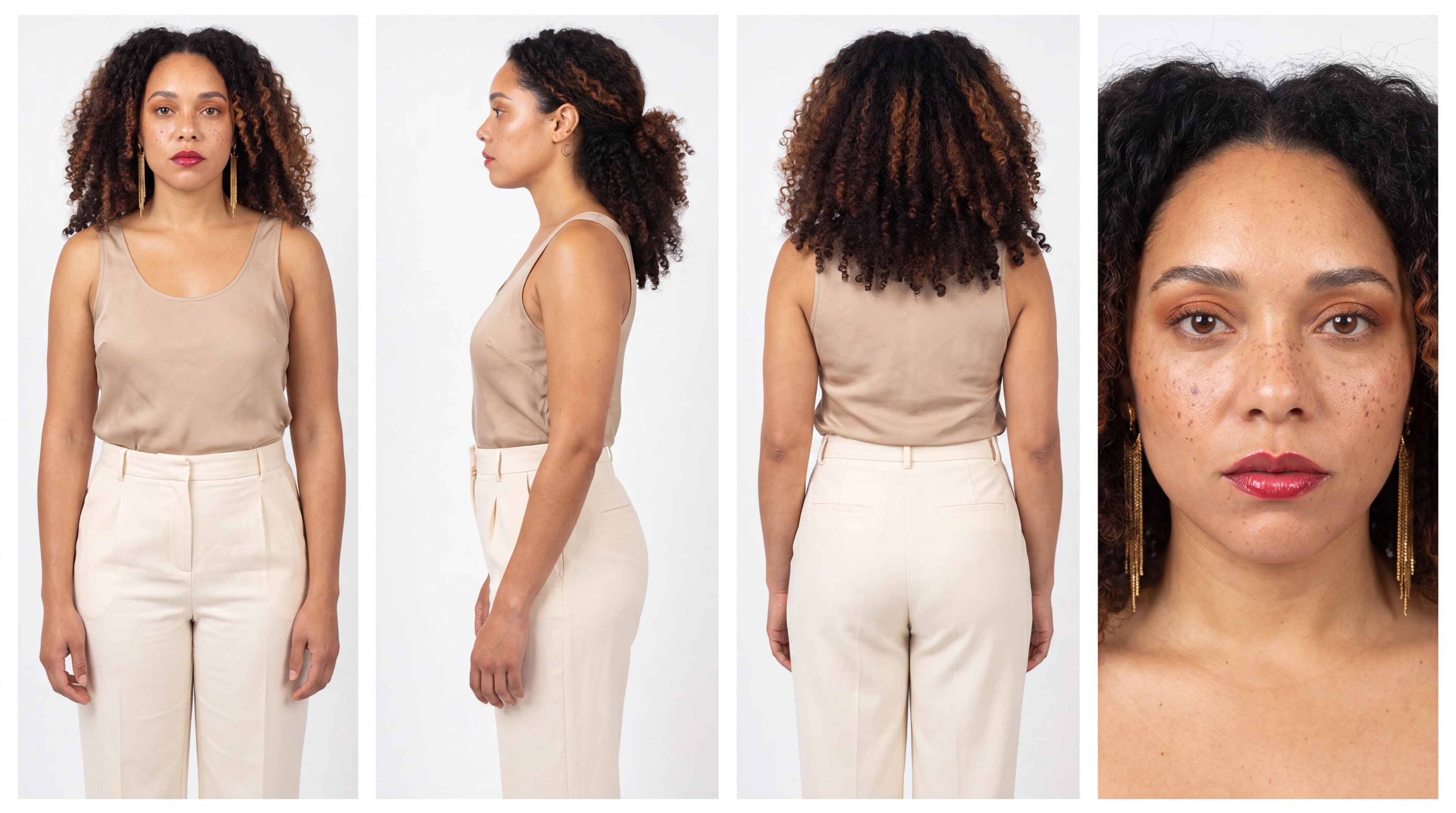
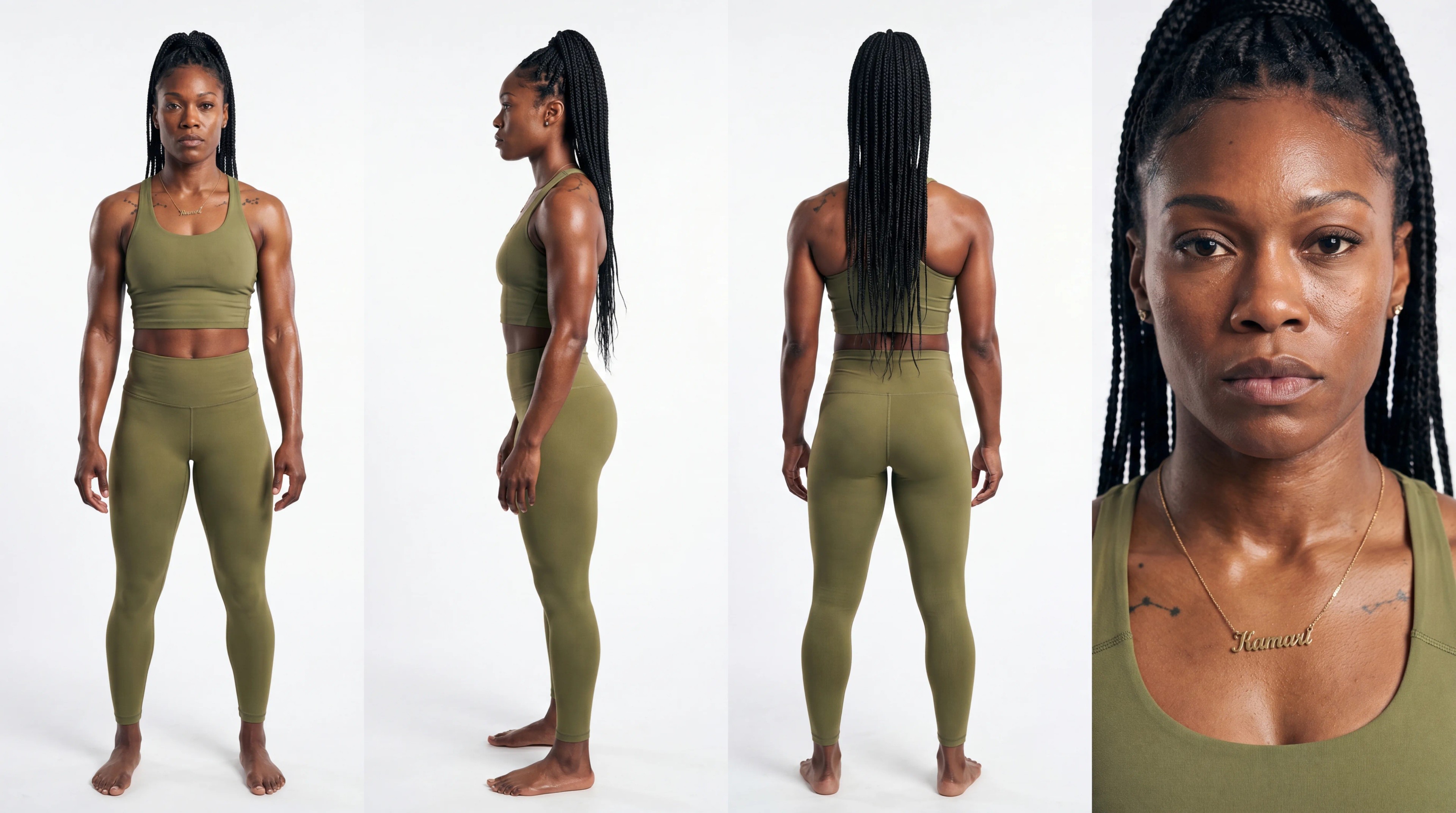
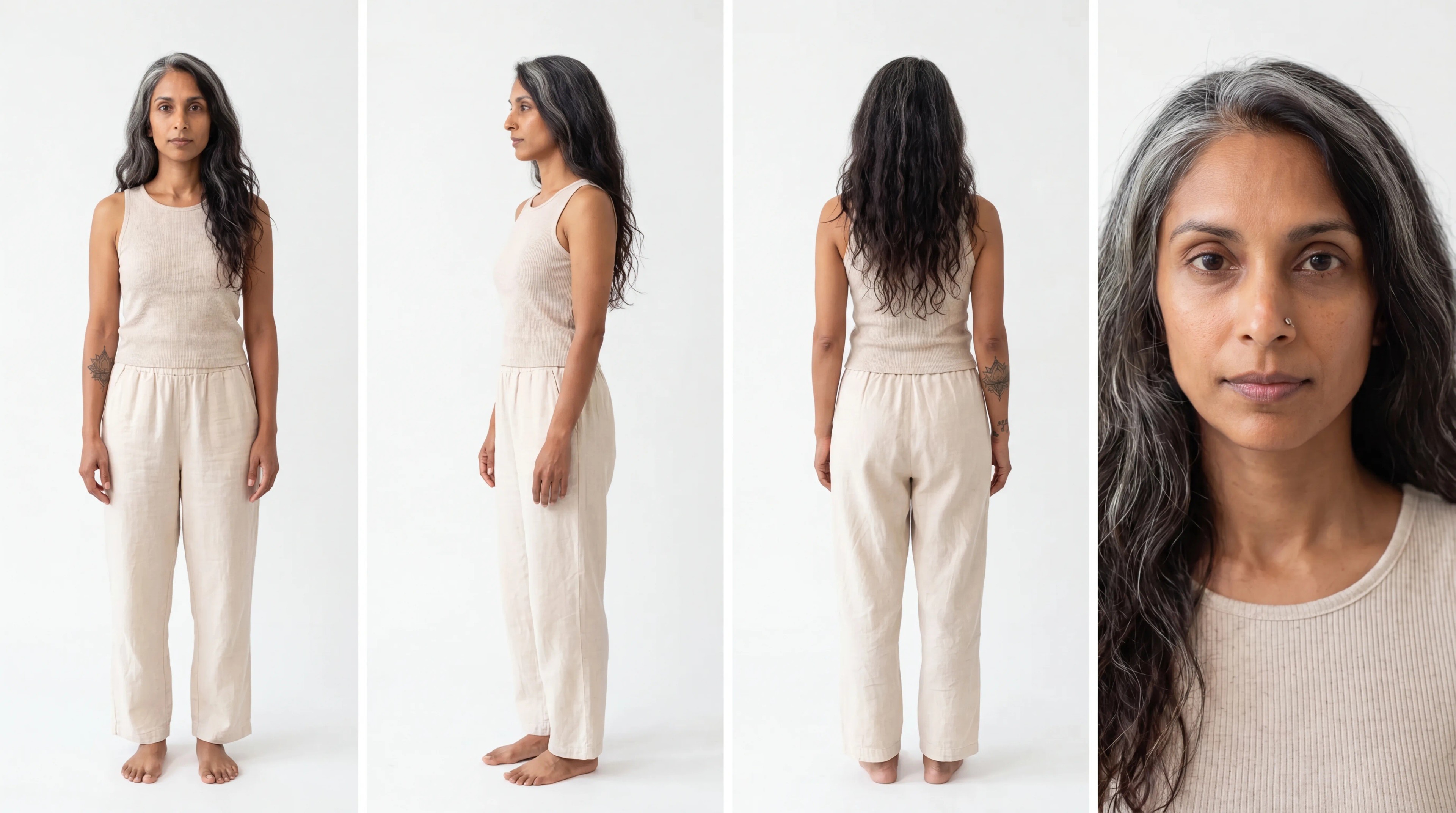
- Coverage matters more than volume. The uploader takes up to 5 reference photos, so spend them on distinct angles: a front shot, a three-quarter, and a profile, all in consistent lighting. Five well-chosen angles beat five near-identical selfies.
- Expression variety helps. Use a remaining slot or two on a different expression, a smile against a neutral. Helps the model generate your character across emotional registers without drifting the underlying features.
- Consistent hair + no accessories for the reference set. Add wardrobe and accessories at prompt time instead, gives the model clearer identity signal.
- Moderate resolution. 1024×1024 per photo is optimal. Higher resolutions don't improve identity lock meaningfully.
Scaling to thousands of generations
One generation a day is easy. Thirty generations a day across multiple platforms is where consistency pipelines earn their keep. The operational requirements change:
- Drift monitoring, track similarity scores over time, flag any systematic drift.
- Batch QA, review the small fraction that fails automated checks and adjust thresholds if false rejection rates spike.
- Versioning, every character definition version is tagged, so you can trace any specific post back to the identity definition that produced it.
- Evolution support, when your persona changes their hair or wardrobe (seasonal looks, brand partnerships), the identity lock should persist while the aesthetic layer changes cleanly.
Consistency across platforms
Instagram wants square and 4:5 ratios; Facebook Pages favor 1.91:1 or 4:5; X favors 16:9 or 4:5. The same character has to look like the same character across all of them, at different aspect ratios, with different framing and composition norms.
A well-built pipeline generates the widest-ratio version once, then conditions downstream generations on that output. Poorly-built pipelines generate each ratio independently and get different faces across formats. See platform-specific playbooks.
How AutoPersonas solves it
AutoPersonas captures reference photos, wardrobe DNA, and environment preferences in a single guided character wizard, then reuses them on every generation. You don't wire up embeddings, train LoRAs, or tune QA thresholds, the platform does that for you, and generations flow into a review queue where you can reject any that drift.
Beyond still images, the same reference-conditioned approach extends to short-form video, so your video persona matches your feed persona across every generation. We publish to X and Fanvue today; Facebook, Instagram, Threads, and TikTok publishing are coming soon.
Get started, your first AI influencer will hold consistency across hundreds of generations in your first week.
Same face, different outfits, across the whole feed
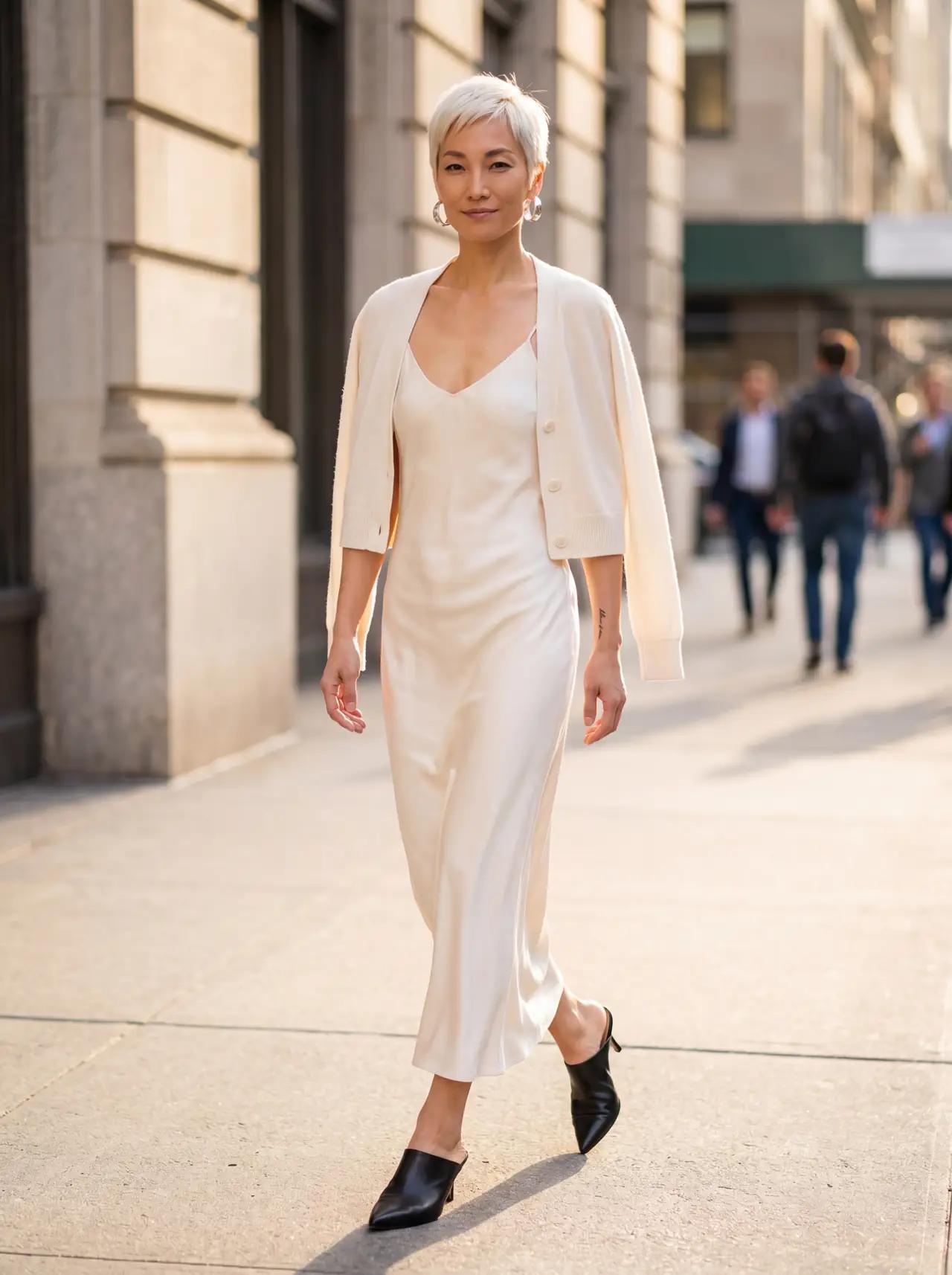
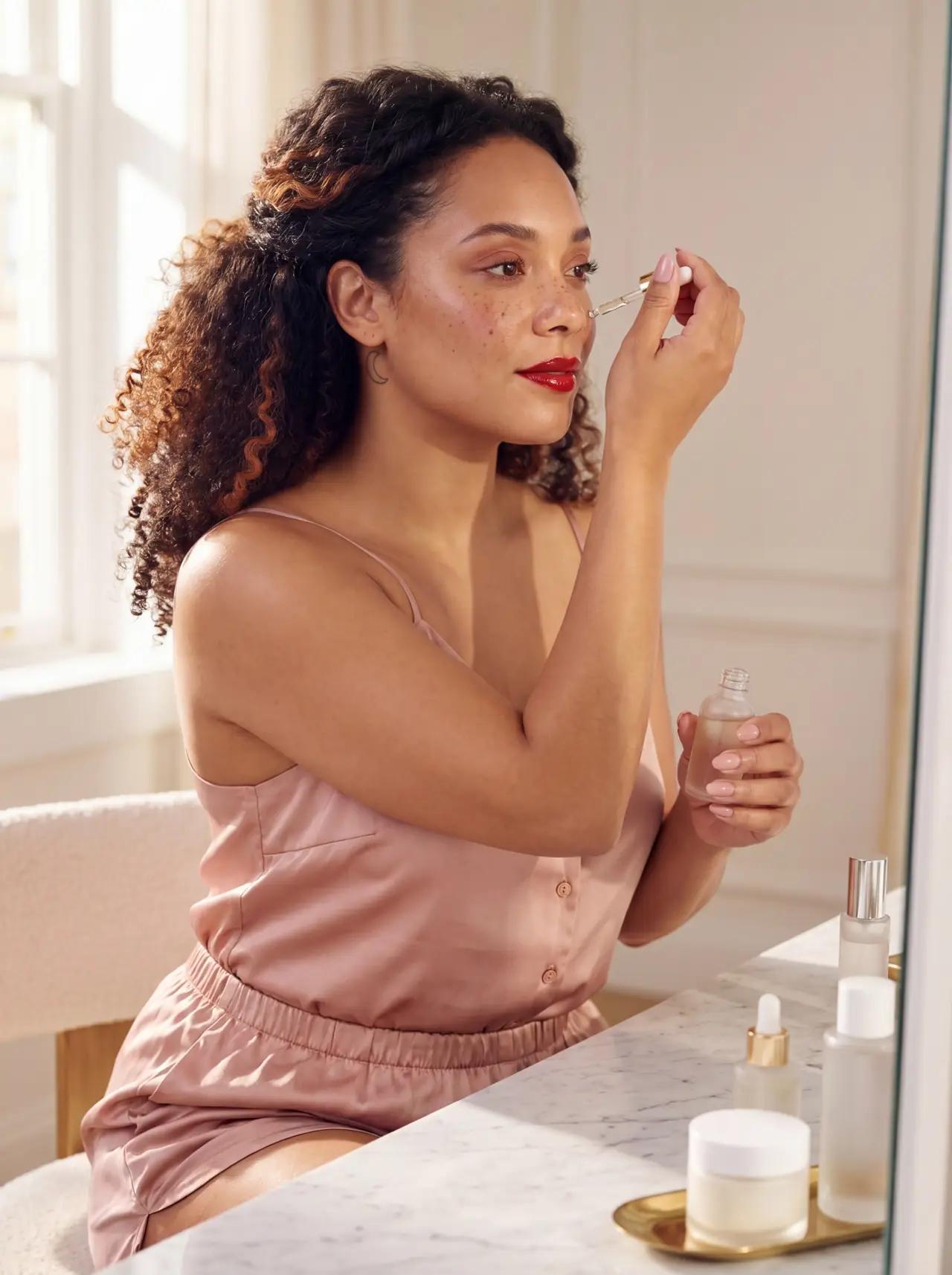
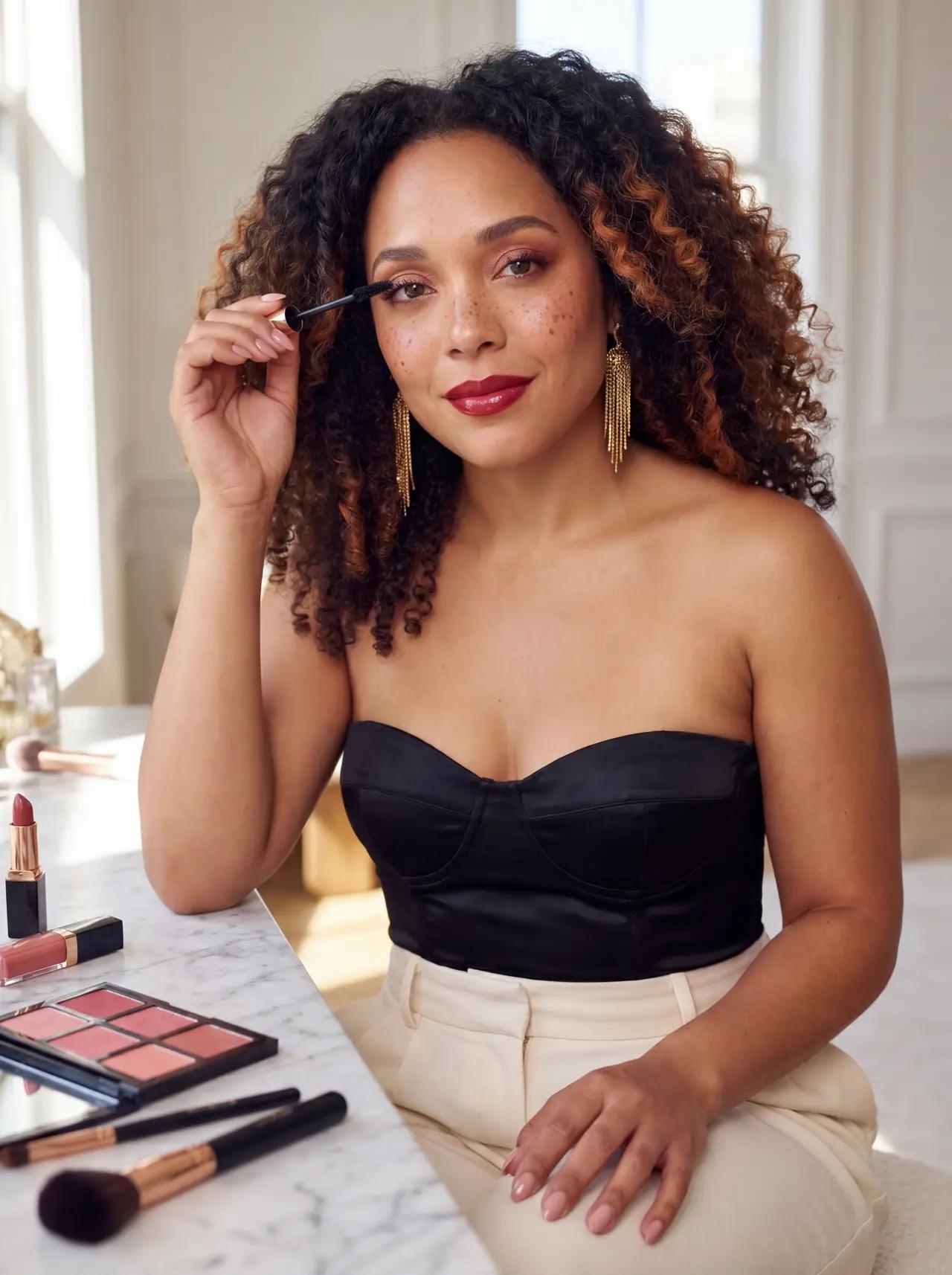
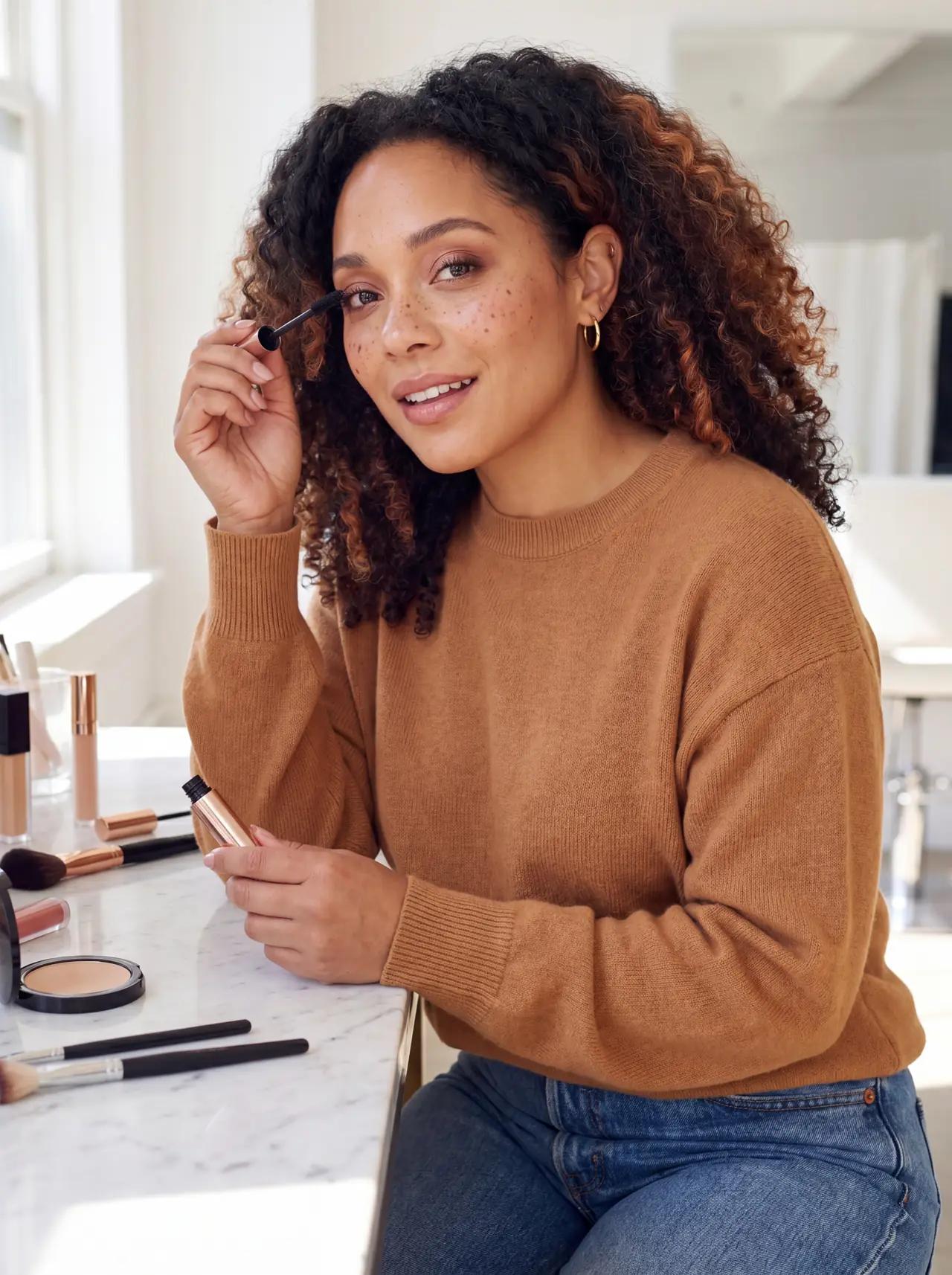
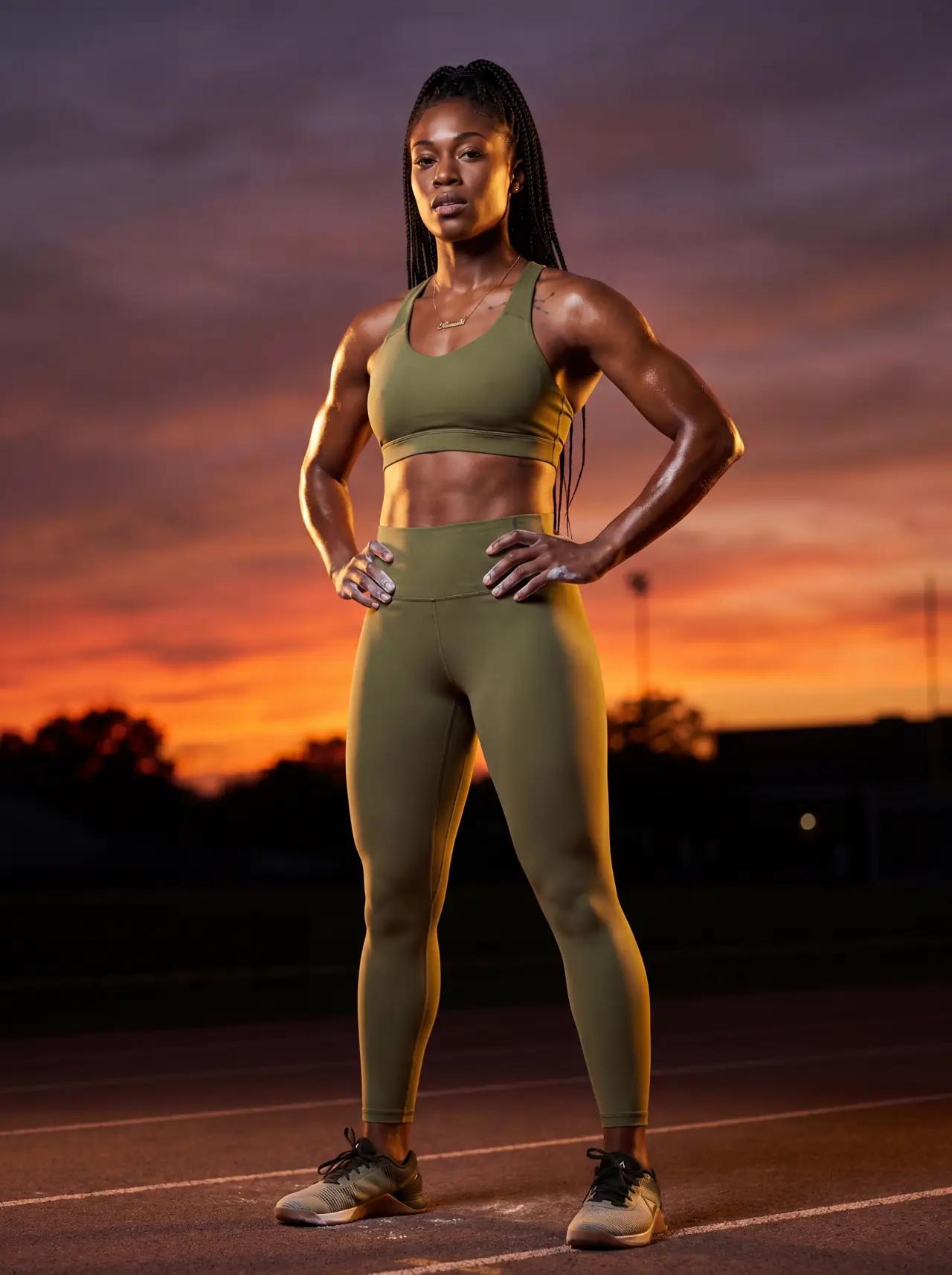
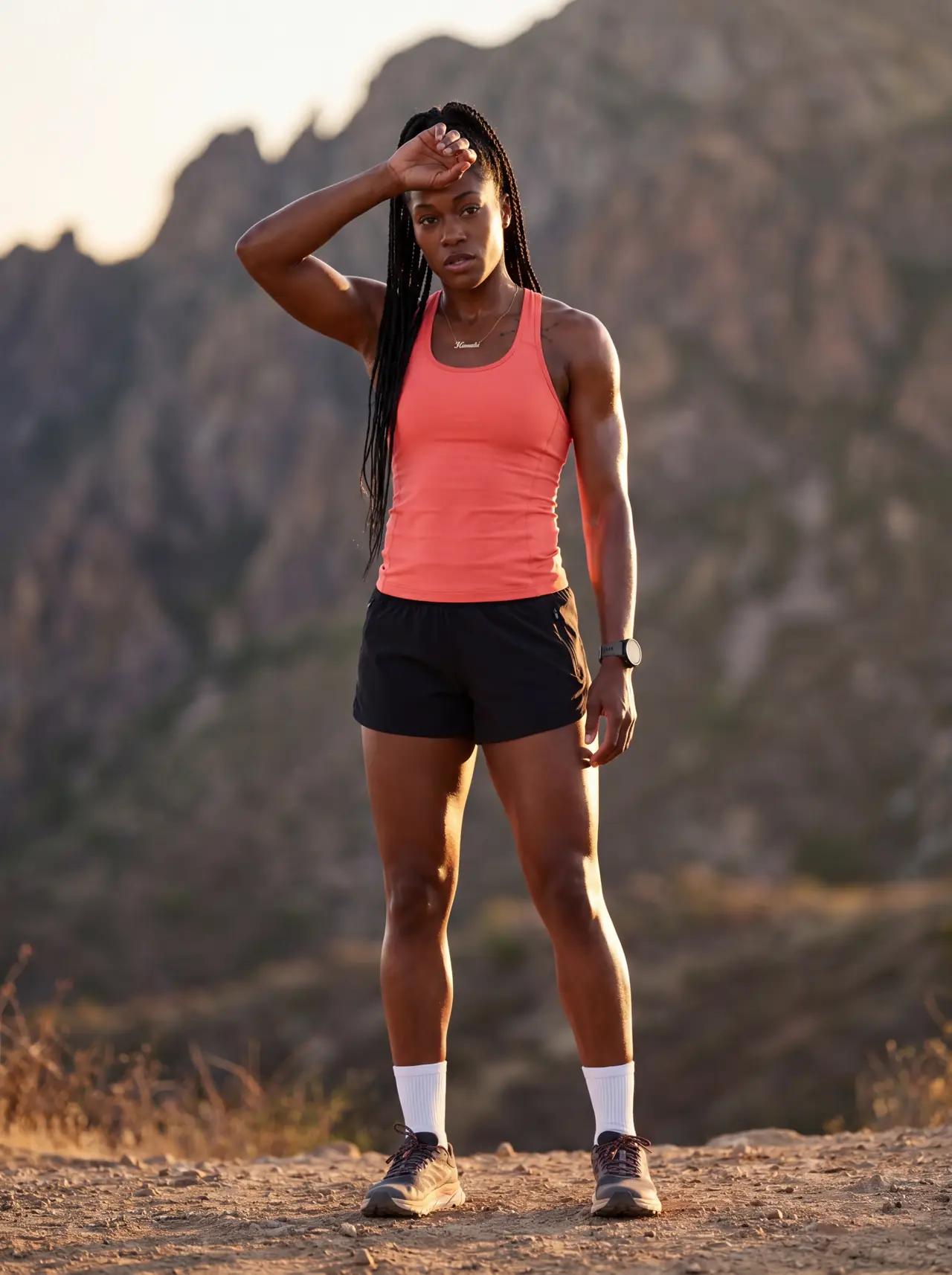
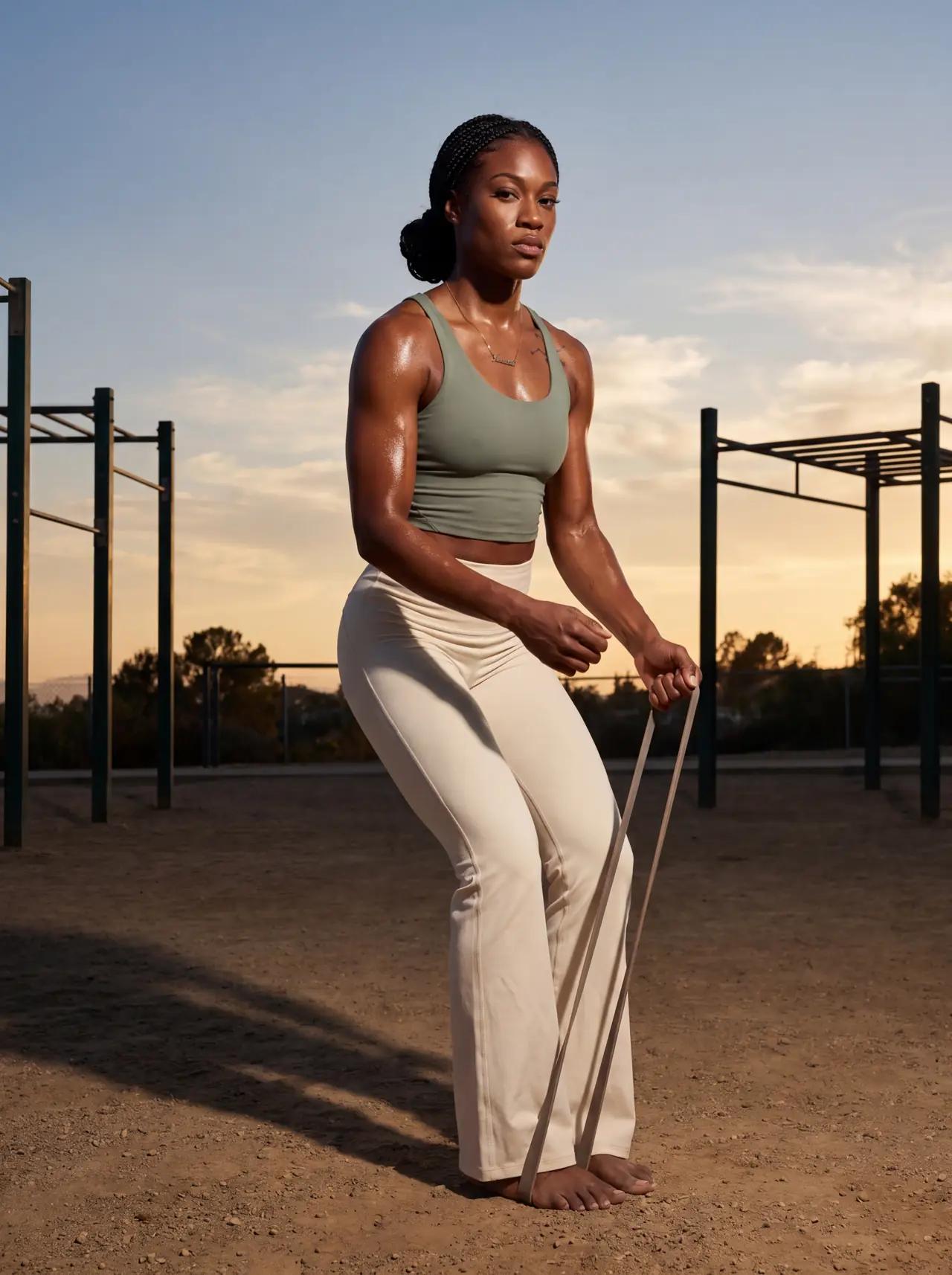
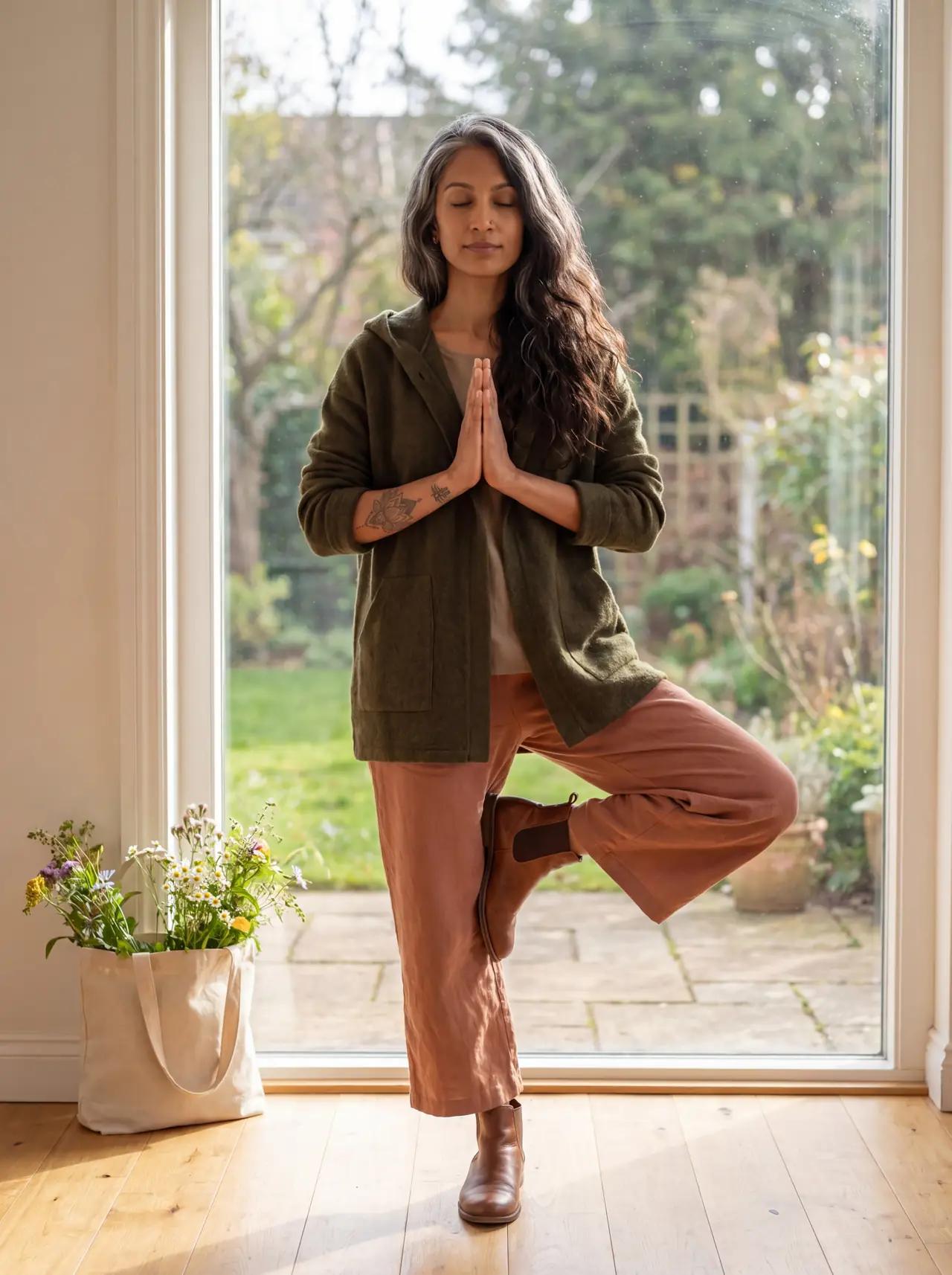
Every row below is one AI influencer from the AutoPersonas use-case library. The portrait on the left is the identity reference. Every thumbnail to the right is the same persona in a different wardrobe entry. No fine-tuning, no LoRAs, just the platform.
6 outfits in this character's library
Editorial-style outfit posts
Curated grid of outfit photos with brand commentary and styling notes.
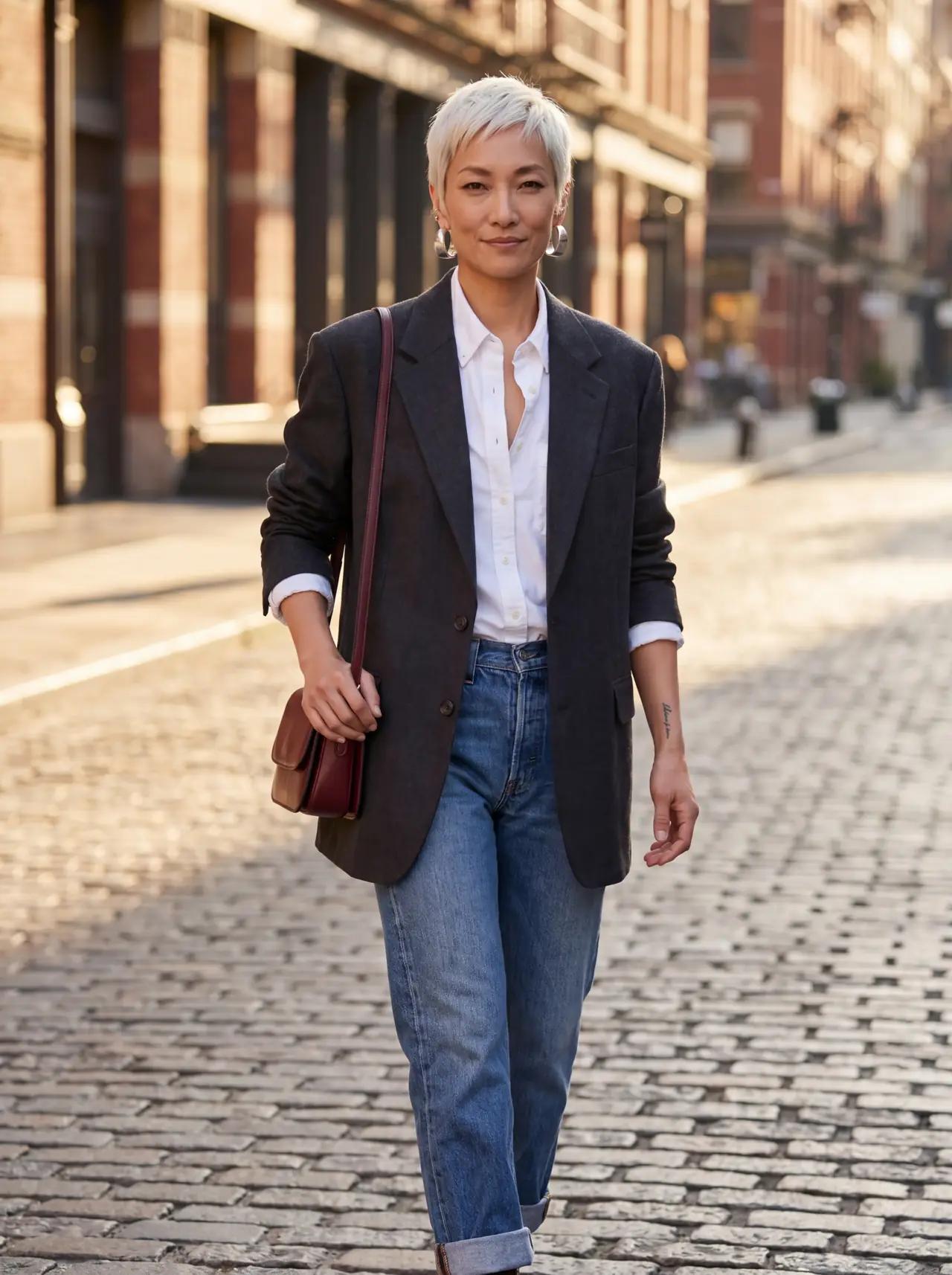
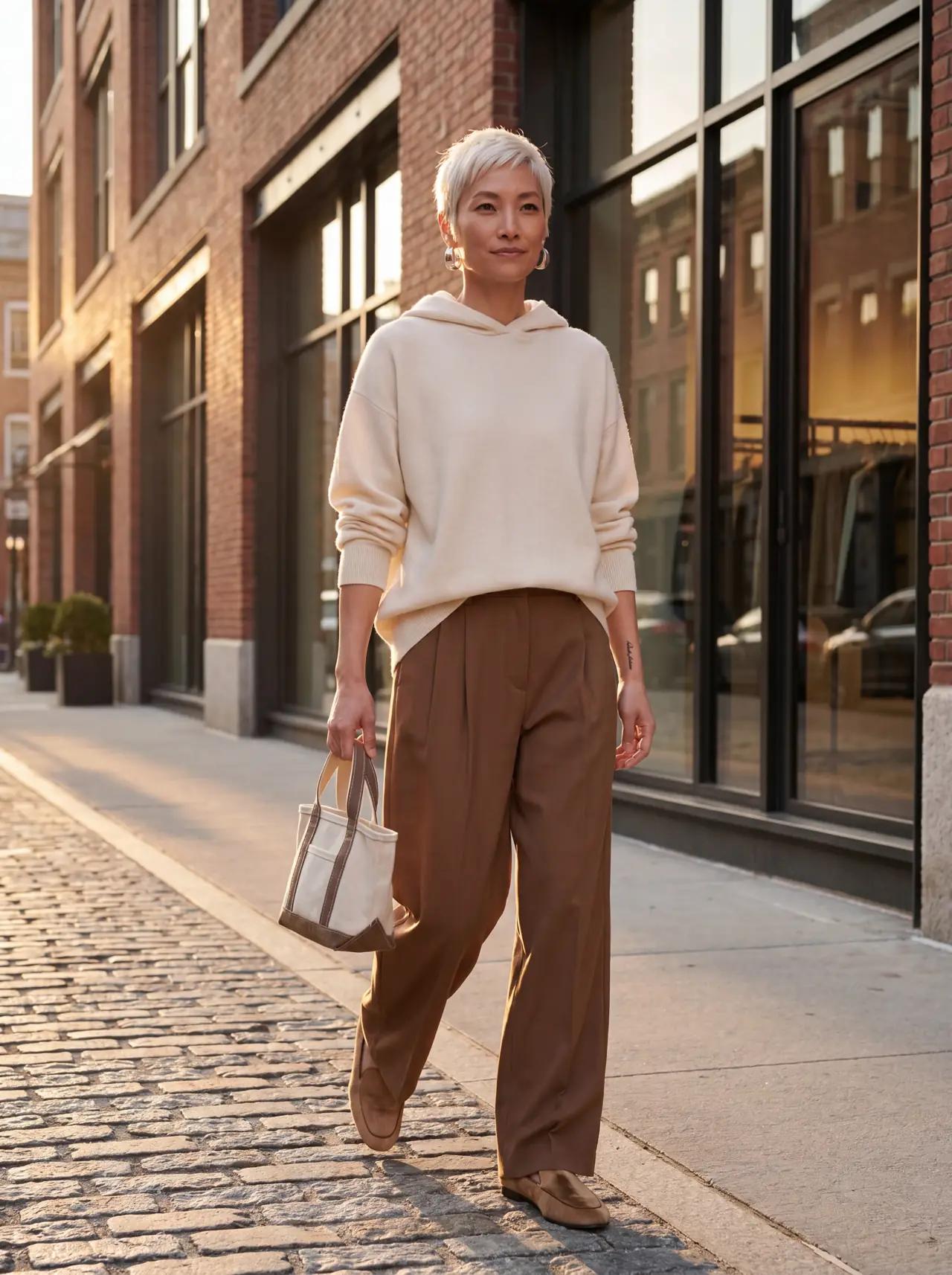
6 outfits in this character's library
6 outfits in this character's library
Workouts + form tips
Daily training clips, before/after progress shots, and concise form callouts.
6 outfits in this character's library


Frequently asked questions
Why can't I just use the same prompt to get the same character?
Diffusion models are trained to produce plausible images, not identical people. The same prompt run twice produces two visually similar but subtly different faces, different cheekbone angle, different eye shape, different lighting. Across thousands of posts, this drift becomes obvious and viewers lose trust that they're looking at the same person.
What techniques actually keep an AI character consistent?
Four techniques stack: reference-image identity locking (up to 5 photos) anchors the face; seed consistency keeps each render from re-rolling the identity; wardrobe DNA constrains clothing; and a moderation queue with automated review rejects generations that drifted before anything publishes. Using just one technique catches some drift; stacking all four catches essentially all of it.
Do I need to train a custom LoRA for every AI influencer?
No. AutoPersonas does not use LoRA fine-tuning at all. Identity is locked from up to 5 reference photos plus per-character seed consistency, and the moderation queue catches the rare generation that drifts. That means no training runs to pay for, no waiting on retrains when models update, and the same identity lock from your first post onward.
How many reference photos do I need to lock a character?
Up to 5, and choosing well matters more than adding more. Aim for a front shot, a three-quarter, and a profile, plus one or two expression variations, all in consistent lighting with the same hairstyle. Five well-chosen angles give the model a clearer identity signal than dozens of near-duplicates would.
Does character consistency matter for video too?
Yes, and it is harder. Video generation has to maintain character consistency across time (within a clip) and across clips (so episode 2 looks like episode 1). Current video models handle within-clip consistency well; cross-clip consistency requires the same reference-image conditioning used for stills.
Can I change my character's look over time without breaking consistency?
Yes, and you should. Real creators evolve their look. AutoPersonas supports versioning your character's visual identity so you can introduce a new hair color, wardrobe shift, or seasonal look while keeping the core face locked. The underlying identity embedding stays; the aesthetic layer changes.
What happens if a generation drifts anyway?
Review gates catch it. Generations that drift are rejected in the review queue and regenerated. Teams that run tighter automated similarity checks keep drift rates low; rejection adds a small amount in re-generation costs.
Is this the same as a deepfake?
No. Deepfakes take an existing real person and paste their face onto other content, usually without consent. Consistent AI character generation creates and maintains a fictional persona, there is no real person being impersonated. AutoPersonas blocks deepfake workflows (no uploads of real celebrities, no face-swap features); character generation only starts from your own reference photos or fully synthetic identities.