The agency model is shifting
For the last fifteen years, an influencer marketing agency made money in one of two ways, representing human creators and taking a cut of brand deals, or buying media and reselling it as a managed service. Both businesses still work. Both are also getting squeezed by rising creator rates, falling organic reach, and clients who increasingly want production speed that no human roster can match.
The new shape of the agency is a hybrid roster, a mix of human creators represented under traditional terms plus a stable of virtual personas the agency owns and operates directly on behalf of clients. The economics of the second half of that roster are radically different from the first. A human creator is a relationship; an AI persona is an asset. The agency that owns the asset captures the full margin instead of a percentage cut.
That does not mean human creators are going away. It means the most defensible agencies in 2026 are the ones who can sit a brand down and say, "we will run a flagship AI persona for your category as the always-on engine, and we will layer in three human creators per quarter for credibility moments." That blended retainer is the new normal.
What clients actually want from an "AI influencer" deliverable
When a brand calls an agency asking for "an AI influencer," nine times out of ten they are not asking for a single deliverable. They are asking for an outcome that has historically required half a dozen vendors, a creative agency, a content studio, a community manager, an analytics tool, a paid-media partner, and a compliance reviewer. The job of the agency is to absorb all of that into a single retainer and produce something the client can show their CMO at the end of every month.
The deliverable usually breaks down to:
- A persona that survives strategic scrutiny. A documented identity, name, age, voice, point of view, audience, that the brand team can defend internally. This is editorial work, not engineering.
- A content output the brand can plan around. Two to four posts per day across two or three platforms, scheduled in advance, with a review queue the brand can approve from on a phone.
- Engagement that feels human. Inbound DMs and comments handled within the brand voice, with a clear escalation path when a real person needs to step in.
- Reporting in the language of marketing. Reach, follower growth, engagement rate, sponsored-post performance, formatted as a deck, not a CSV.
- Compliance you do not have to think about. AI disclosure baked into the persona's bio and post template, FTC-aligned language for every collab, platform-specific labels where required.
Running 10+ personas across different niches
The hard problem inside an AI influencer agency is not generating content. Modern tools generate content fine. The hard problem is keeping ten or twenty personas coherent at the same time. Each persona has its own niche, its own voice, its own posting rhythm, its own seasonal calendar, its own banned-phrase list. The default failure mode of an agency scaling past five clients is that personas start to bleed, a beauty persona suddenly sounds like a fitness persona because the same staffer drafted both captions on the same Tuesday afternoon.
The agencies that scale cleanly do three things from day one:
- One persona, one workspace. Every persona gets its own isolated workspace with its own brand voice, banned phrases, hashtag rules, and aesthetic grading. Staff context-switch by switching workspaces, not by remembering which client they are writing for.
- Documented voice before any content runs. A short voice doc (five to seven traits, three opinions the persona holds, three opinions the persona refuses to hold, ten phrases they would never say) lives in the workspace and is referenced on every generation.
- One niche per persona, no exceptions. A persona that is "wellness and fitness and food" is a persona with no audience. Pick the narrowest niche the client will tolerate and grow from there, browse the niches we optimize for when scoping a new client persona.
 Fashion
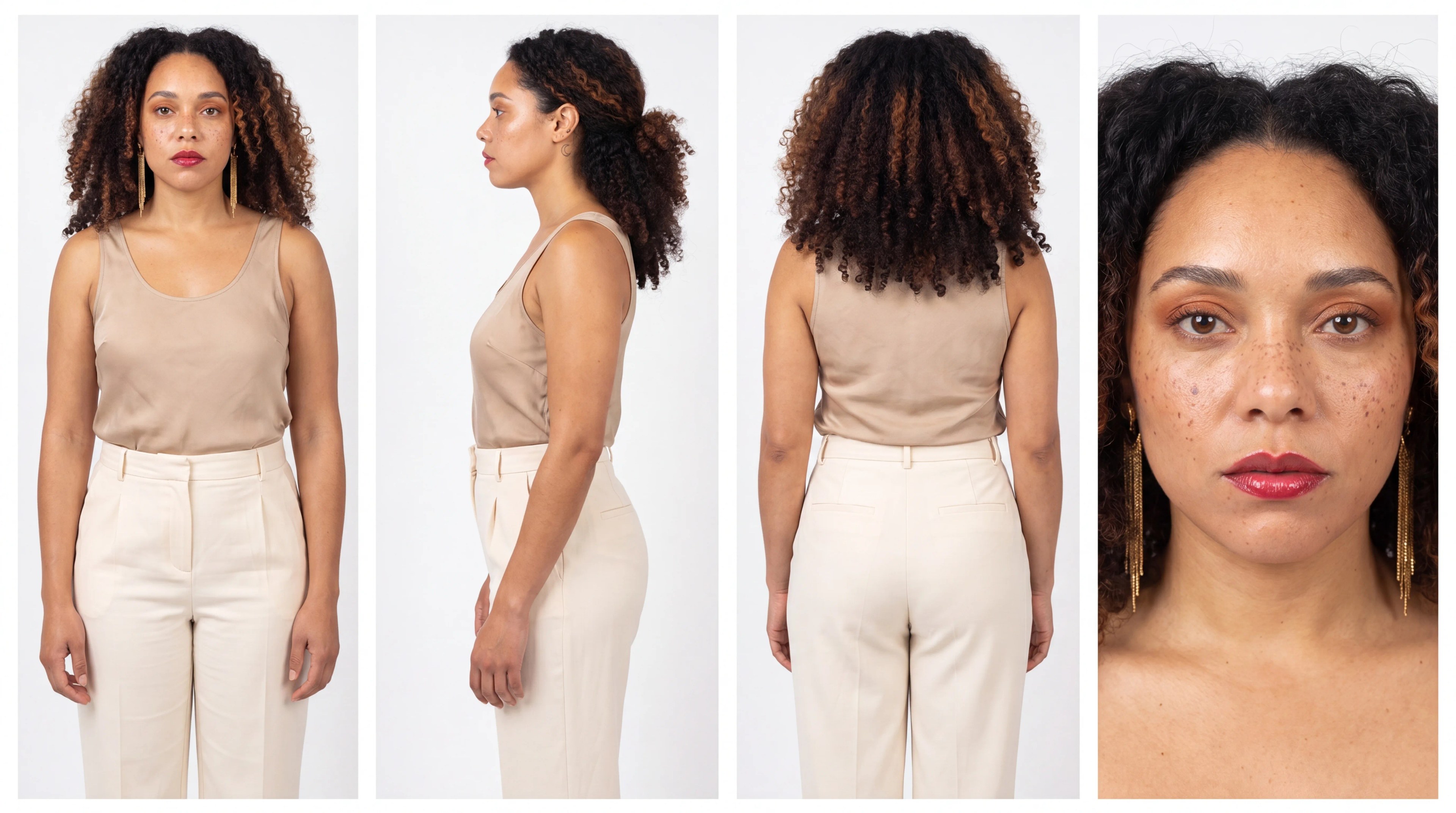 Beauty
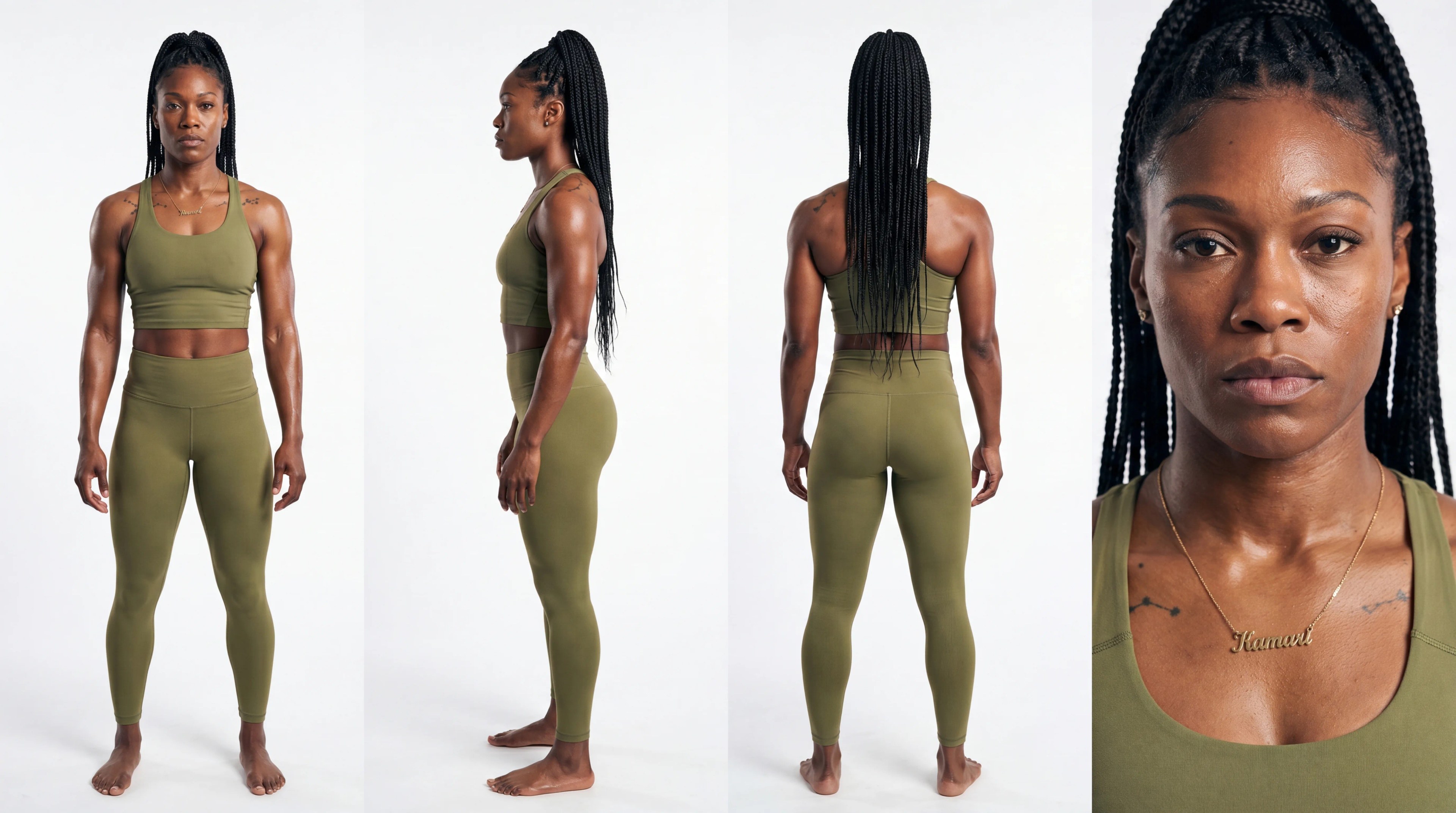 Fitness
 Wellness
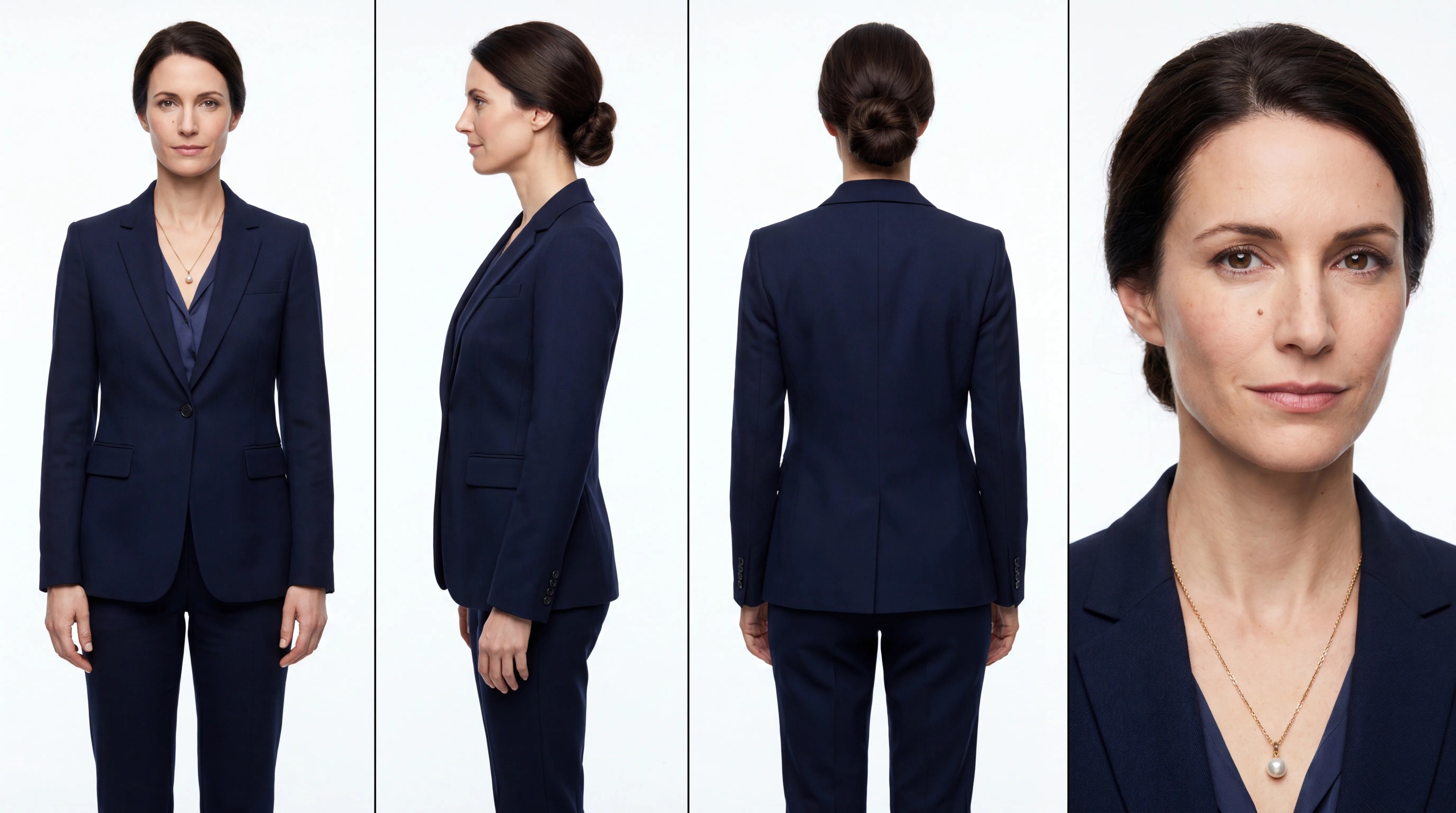 Luxury Lifestyle
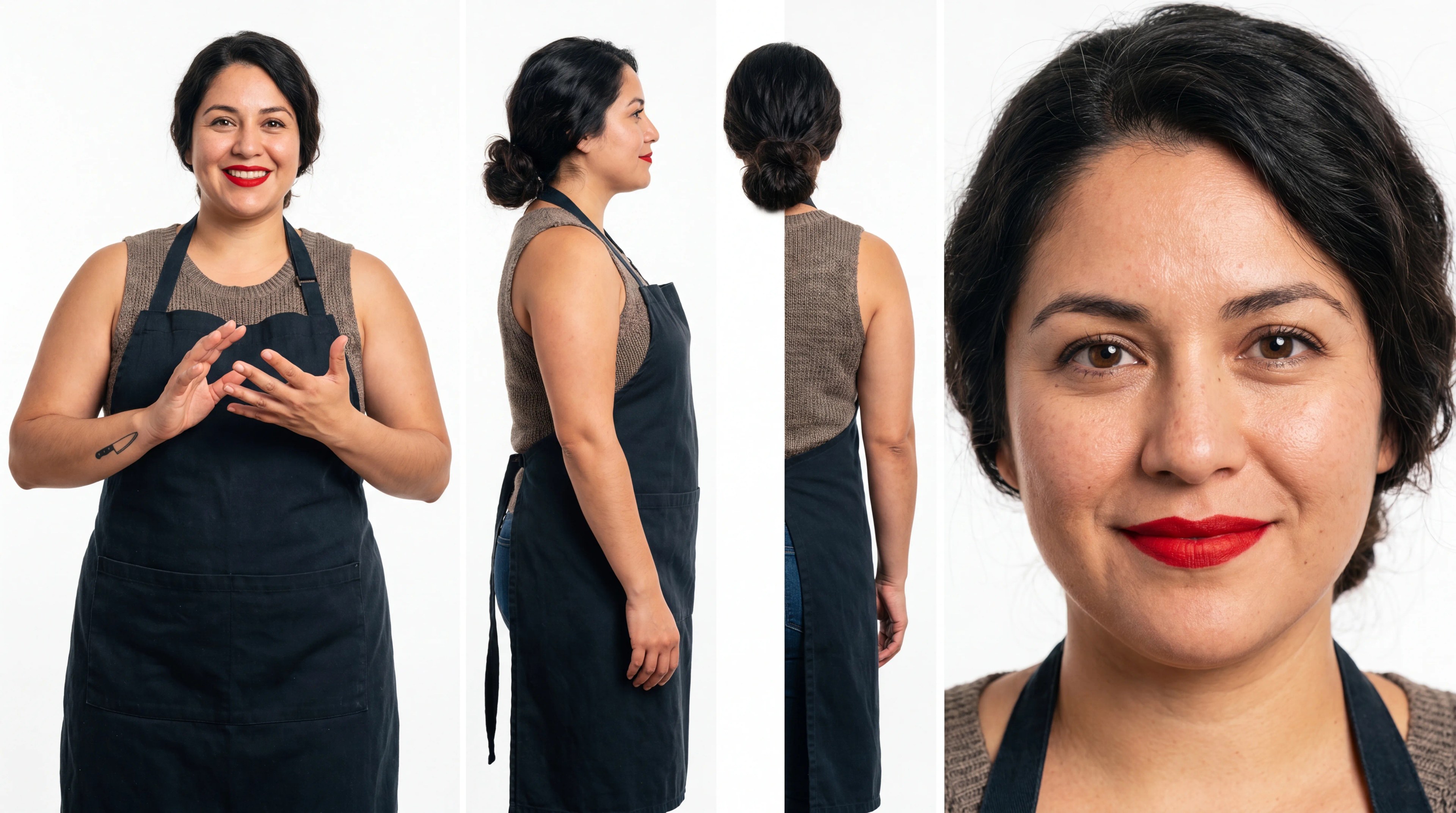 Food & Recipes
 Travel
 Home & Interior Design
Per-client isolation: separate brand goals, separate analytics, separate publishing
Multi-tenancy in an agency context is not a nice-to-have, it is a legal and contractual requirement. Two competing skincare brands cannot share a workspace. A pet-food client cannot see the engagement data for a luxury client. A junior account manager working on Brand A cannot accidentally publish to Brand B's X account because the wrong dropdown was selected.
Real isolation has four layers, and any one of them missing creates an incident waiting to happen:
- Identity isolation. Each persona's reference images, wardrobe, and locked face are stored per workspace. A staffer working in Workspace A cannot pull Workspace B's reference images, even by accident.
- Voice and brand-goal isolation. Brand voice, banned phrases, and sponsored-post goals are scoped per persona. There is no shared "agency template" that leaks one client's talking points into another's posts.
- Publishing isolation. Connected social accounts are bound to their workspace. A scheduled post for Persona A cannot accidentally fire on Persona B's X account, even if a staffer has access to both.
- Analytics isolation. Each client sees only their own analytics. The agency owner sees the roll-up. Nothing leaks across clients.
The Agency tier on AutoPersonas is built around this exact isolation model. Each influencer runs in its own isolated profile; staff get role-based access per influencer; the analytics surface is per-influencer by default and rolls up to a portfolio-wide view only for the agency owner.
The margin model: fixed creative cost vs scaling content output
The reason AI influencer agencies are an attractive business model is the gap between creative production cost and what a brand will pay for an always-on social presence. A traditional content studio spends $1,000 to $3,000 producing a single campaign post, photographer, model, location, retoucher. A full-time human creator on retainer might post 20 to 40 times a month at a comparable per-post cost when you include their fee.
Production cost on a managed AI persona running three posts a day across three platforms is typically a fraction of a typical agency retainer for the same deliverable. The delta is gross margin, which the agency uses to fund staff, account management, creative direction, and overhead.
An illustrative worked example at AutoPersonas usage rates: a ten-influencer client roster on the Agency tier, each influencer publishing 30 posts a month with one generated image per post. That is 300 images at ~$0.21 each (about $63) plus 300 published posts at $0.01 each (about $3), roughly $66 a month in generation and publishing usage across the whole roster, before the Agency-tier base and your staff time. Set that against typical per-client retainers of $1,500 to $3,000 a month for an always-on managed persona and the shape of the margin is clear. Your numbers will differ with cadence, video mix, and rework rates, but the ratio between production cost and retainer is the business model.
The economics are best when you can scale post output without scaling staff. The two leverage points to focus on:
- Templated voice docs. Once a persona's voice is well documented, generating the next 100 captions takes minutes, not hours. Front-load the voice work; back-load the production volume.
- Auto-approval rules per content category. Posts that match a known-good pattern (evergreen tips, daily-life snapshots) auto-publish. Posts that touch a brand or a specific product still get a human pass. The auto-approval rate climbs as the persona settles in.
White-label and reporting, what to give the client
Reporting is where most agency engagements either renew or die. A client who sees a clean, branded report on the first of every month feels like they are getting their money's worth. A client who has to chase you for numbers, or worse, log into a platform to find them, is already shopping for a replacement.
The minimum viable monthly report has five sections:
- Top-line metrics. Posts published, total reach, total engagement, follower growth. One slide.
- Best and worst performers. Three best posts, three worst posts, with a one-line hypothesis on why. This is what a smart client actually wants.
- Sponsored-post performance. If there were collabs, performance broken out separately, with click-through if you are tracking links.
- Engagement summary. DMs handled, comment reply rate, anything escalated to the brand team that month.
- Next month plan. Three editorial themes, two products to feature, any seasonal considerations. This is the section that justifies the retainer.
AutoPersonas gives you the raw material for that report: per-influencer analytics with 365-day retention on the Agency tier, sponsored-post tracking, and a portfolio-wide roll-up across the roster. Branded (white-label) PDF/CSV export with scheduled delivery is on the roadmap; today, agencies assemble the client deck from the per-influencer analytics view.
Quality at scale, without reviewing every post
Every agency that grows past five personas hits the same wall, the staff cannot review every post by hand without burning all the margin on labor. The way out is to invest the review time upfront, then trust the system. Three practices that consistently work:
- Front-loaded calibration. The first 30 to 60 posts on every new persona are reviewed by a senior creative. This is when you catch voice drift, visual inconsistencies, and tone misses. Once you have a confident pattern, encode it as auto-approval rules and step back.
- Sampling-based QA. After calibration, review a random 10 to 20% of posts every week. The rest auto-publish. Sampling catches drift early without consuming the team.
- Tripwires for high-risk content. Any post mentioning a specific product, a competitor, a price, a date, or a health claim gets routed to manual review automatically. The cost of a bad sponsored post is much higher than the cost of reviewing 100 of them.
The agencies that fail at quality control are usually the ones that try to either (a) review nothing because they trust the model, or (b) review everything because they trust nothing. Both fail. The middle path, calibrate, sample, tripwire, scales.
Compliance, who owns the disclosure decision
Disclosure for AI-generated content is a genuinely shared responsibility, but in practice, the agency drives it. The brand owns the legal obligation under FTC and platform policy, but the brand is rarely the one writing the bio line or the hashtag list. The agency is. So the agency sets the default and the brand approves it.
The default we recommend, and that most well-run agencies on the platform use:
- Always-on AI disclosure in bio. A short line in every persona bio (e.g. "virtual creator, AI-generated" or "synthetic persona"). Non-negotiable.
- A persistent tag on every post. #ai, #virtualcreator, or the platform-specific AI label where one is provided (Instagram and Facebook both offer one).
- FTC-aligned collab language. Every sponsored post includes a clear disclosure (#ad, #sponsored, or "Paid partnership with") plus the AI tag.
- Documented in the engagement letter. The disclosure standard is written into the agency-client contract, so a client who later asks the agency to "tone down the AI labeling" has to sign off in writing first.
Treating compliance as a deliverable rather than an afterthought is also a sales advantage. Brands with sophisticated legal teams will choose the agency that has a compliance answer over the one that doesn't, even if the second one is cheaper. Quote the discipline; charge for it. For more on the underlying rules, see our broader AI influencer guide.
Where AutoPersonas fits in the agency stack
AutoPersonas is built for operators running multiple personas at once, which is exactly the agency shape. The Agency tier includes unlimited influencers, unlimited team seats, roles & access control (approvals and per-influencer permissions), 365-day analytics, video generation, engagement automation, the collaboration studio for cross-influencer campaigns, and bring-your-own custom model endpoints. Pricing is custom because the right plan for a five-client agency looks different from a 30-client agency.
Most agencies onboard the same way, one flagship client persona built end to end in the first two weeks (voice, identity, schedule, first 30 posts), then a repeatable template for the next clients. By month three, a well-run agency is adding a new persona in under a week of editorial work. If you are still evaluating platforms for the roster, the AI influencer platform buyer's guide covers the seven systems to demand from any vendor, including us.
See the pricing page for a side-by-side of Free, Pro, and Agency tiers, or contact sales to scope a custom plan to your roster.
Frequently asked questions
Do you have per-seat or per-persona pricing for agencies?
The Agency tier is custom-priced. Most agency arrangements are seat-based for staff plus a usage allowance covering image, video, and publishing calls across the entire roster. There are no per-persona fees, so spinning up a new client persona does not change your base. Talk to sales to size a plan to your roster and post cadence.
Can clients log in and see their own persona directly?
Yes. Each client influencer lives in its own isolated profile with role-based access (Agency tier). You can grant a client a reviewer seat (review and approve posts, see analytics) or an editor seat (suggest captions, upload reference images) without exposing your other clients or your internal templates. Most agencies start clients as reviewers and grant editor access only when the client asks.
How does client reporting work?
Each influencer has its own analytics surface, posts published, reach, engagement, and follower growth, with 365-day retention on the Agency tier, plus a portfolio-wide roll-up for the agency owner. Most agencies build their monthly client deck from the per-influencer view. Branded (white-label) PDF/CSV export and scheduled report delivery are on the roadmap, not shipped today.
Can I run different brand voices and niches per client without cross-contamination?
Yes. Brand voice, banned phrases, hashtag rules, posting schedule, and aesthetic grading are stored per persona. There is no shared "agency-wide" voice that bleeds into client work. The identity layer (face, wardrobe, location signifiers) is also fully isolated, so a beauty client persona and a fitness client persona share zero state.
What does the margin model look like for an AI influencer agency?
Agencies on the platform bill clients a monthly retainer per persona that varies by niche, post cadence, and engagement scope. Underlying production cost (model usage + publishing fees) is a fraction of typical retainer levels at three-posts-per-day cadence, leaving room for staff, account management, and overhead in the agency margin.
How do agencies maintain quality without manually reviewing every post?
A combination of upfront editorial work (locking the persona's voice, brand goals, and visual grading), a tier-1 review pass on the first 30 to 60 posts to calibrate auto-approval rules, and a sampling-based QA cadence after that. Most agencies settle on auto-approving evergreen content categories and routing collab posts, sensitive topics, and any caption that mentions a specific product through human review.
Who owns the disclosure decision for AI-generated content, the agency or the client?
Legally, the brand running the campaign owns the disclosure obligation under FTC and platform policy. Practically, agencies set the disclosure default (we recommend always-on AI disclosure in bio plus a #ai or #virtualcreator tag on every post) and document it in the client engagement letter. Clients can override only with written sign-off. Treat compliance as a deliverable, not an afterthought.
Can I migrate existing client AI personas onto the platform?
Yes. You can import reference images, wardrobe sets, and brand-voice documents, and we will rebuild the identity layer to keep visual continuity with what the client's audience already recognizes. The first 100 posts on the new platform should look indistinguishable from the existing feed.